
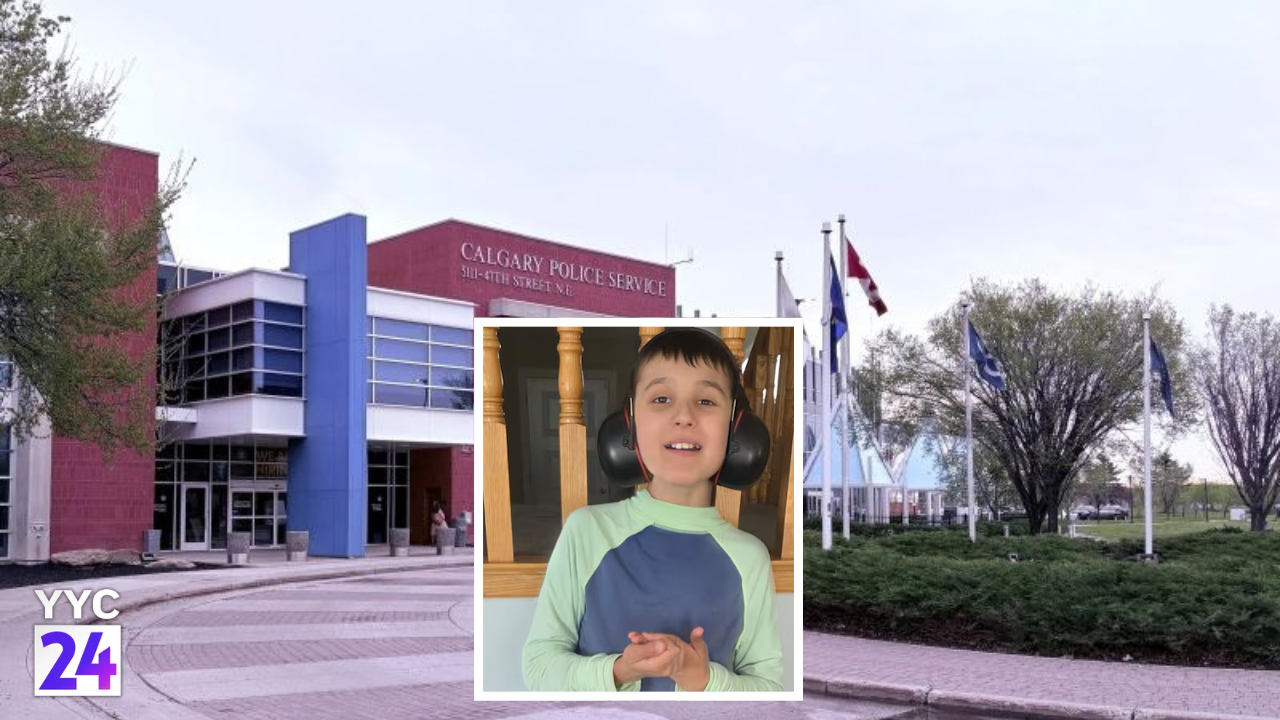
An internal review of the search for 11-year-old Parker Wells has found that Calgary police were working with information-management systems and staffing arrangements that struggled to keep pace with the largest missing-person response in the service’s history.
The Calgary Police Service released the key themes of its operational and investigative review on Tuesday, October 20. The review identifies ways to improve how police manage tips, coordinate command, sustain staffing and support personnel during long-running critical incidents.
An unprecedented amount of information
Police say the investigation generated approximately 1,000 formal investigative tips, more than 90,000 direct social media messages, thousands of emails and roughly 10 terabytes of surveillance video. The search also involved more than 800 searcher deployments by police and partner agencies.
Information came through several channels and systems. Investigators had to identify duplicate submissions, assign responsibility for leads and keep track of follow-up. According to CPS, the systems in place were not designed to manage information at that scale for a prolonged period.
The review recommends centralized tip management, better tracking of canvassing and investigative tasks, clearer standards for sharing information and greater technical capacity. Police also identified a need for more trained users, server resources and support for tools used to examine video and other digital evidence.
Coordination, staffing and public alerts
The operation involved investigative teams, search coordinators, police command staff, partner organizations and community volunteers. The review found that planning and support functions helped as the search expanded, but the responsibilities of different groups and the points at which additional command structures should be activated were not always clear.
Recommendations include more sustainable staffing and relief plans, improved continuity between shifts, clearer command responsibilities and additional training for lengthy emergencies.
Police also want public communications integrated more closely into major-incident planning. Appeals to the public brought in information and expanded search efforts, but also created a large volume of messages requiring assessment. CPS recommends clearer public-alerting arrangements and more formal coordination with the Missing Children Society of Canada.
The service highlighted the dedication of officers, search partners and volunteers, along with the value of drones, mapping systems, video analysis and community outreach. The review also calls for member wellness supports to be built into operational planning rather than treated only as an individual concern.
Separate 911 review found earlier mistakes
Parker disappeared from a day home in north Calgary on July 16. His body was found on July 29 after an extensive search.
The CPS findings are separate from a City of Calgary review, released September 22, into the first emergency calls about his disappearance. The City found that established 911 procedures were not followed and that police were not notified as promptly as they should have been.
According to the City’s review, the first call came at 10:53 a.m. and provided enough information to classify Parker as an endangered missing child requiring a Priority 1 police response. That did not happen. A second call was received at 11:24 a.m., and a Priority 1 missing-person event was created at 11:41 a.m.
The City said it had taken corrective steps, including having two supervisors review calls entered without police dispatch. The police review released Tuesday focuses instead on the wider investigation, search operation, public engagement, technology and partnerships.
What comes next
CPS says its recommendations will guide future policies, training, exercises, technology investment and major-incident planning. Tuesday’s announcement did not establish a public timetable or budget for implementing the changes.
The police review did not reassess the circumstances of Parker’s disappearance or evaluate the performance of individual employees. CPS also says it cannot conclude that different resources, systems or procedures would have changed the outcome.
A separate provincial review of public alerting remains underway, according to CPS.
Original source: Calgary Police Service review, October 20, 2026.
Background: City of Calgary review of 911 calls, September 22, 2026.